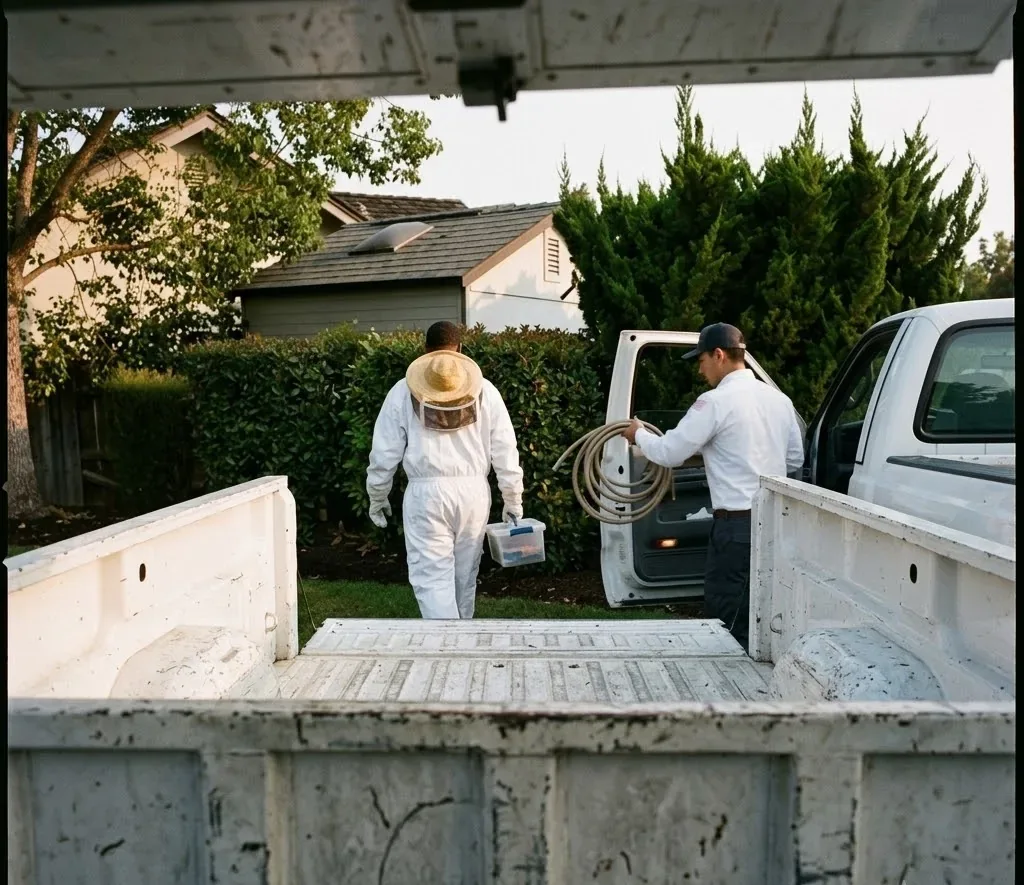
Mosquito & Tick Control
Barrier treatment for the standing water, wood lines, and shrub beds where mosquitoes and ticks actually live.
Learn about Mosquito & Tick ControlElevated, piling-built homes shift pest entry points up to the roofline and underside framing, not the ground-level perimeter most inspections expect.
Madeira Beach sits on a Gulf barrier island, and most homes here were rebuilt up on pilings or raised slabs after storm damage forced owners to meet current flood-elevation rules. That changes where pests get in — not through a basement, because there isn't one, but through the open space and utility chases under an elevated house, and through soffits and roof lines exposed to wind off the Gulf. Salt air and sandy soil don't slow subterranean termites down the way homeowners moving from Clearwater or other mainland neighborhoods sometimes expect. Ghost ants and fire ants work the yard and foundation edges year-round, and a raccoon or squirrel finding a gap at the roofline is a bigger risk here than it is a few miles inland toward Clearwater. An inspection on an elevated home has to check the underside and the roof, not just the perimeter at ground level.
Slab foundations, standing water after rain, and year-round warmth around Old Tampa Bay keep pests active in every season here.
Most of Madeira Beach is 1950s-60s beach cottages and condos with a tourist-oriented commercial waterfront district. On a slab house the trouble is never the middle of a wall — it is the seams: where the soffit meets the fascia, where a hose bib or dryer vent passes through block, where the weep holes sit at the slab edge. Those are the first things worth a look.
The ground around Gulf of Mexico holds water well after the rain stops. That is when the calls come — ants along a baseboard, roaches out of a floor drain, a musty smell in a closet on the wet side of the house.
Salt air and constant humidity push pest pressure through every month on this barrier island, with no seasonal slowdown Madeira Beach residents can count on. Homes near Alligator Creek and Stevenson Creek see steadier moisture, which keeps pest activity from ever fully quieting down.
Storefronts and small commercial units near Madeira Beach run on different standards: defined treatment zones, low-odor products where food is handled, and paperwork an inspector can read without it needing explaining.
What a treatment runs depends on your home's size, the pest, and whether Sand Key humidity or a Countryside slab is involved.
| Service | Estimated cost |
|---|---|
| Mosquito & Tick Control | an estimated $69–$139 |
| Rodent Exclusion | an estimated $189–$499 |
| Bed Bug Treatment | an estimated $299–$1100 |
| Commercial Pest Control | an estimated $89–$249 |
Sand Key Park sits nearby along the same barrier-island strip, sharing the salt-air exposure that affects Madeira Beach roofs and soffits.
Indian Rocks Beach lies along the same Gulf-front stretch, facing similar elevated-construction pest entry points.
Treasure Island is another nearby barrier-island community dealing with the same post-storm rebuilding pattern.
Barrier treatment for the standing water, wood lines, and shrub beds where mosquitoes and ticks actually live.
Learn about Mosquito & Tick Control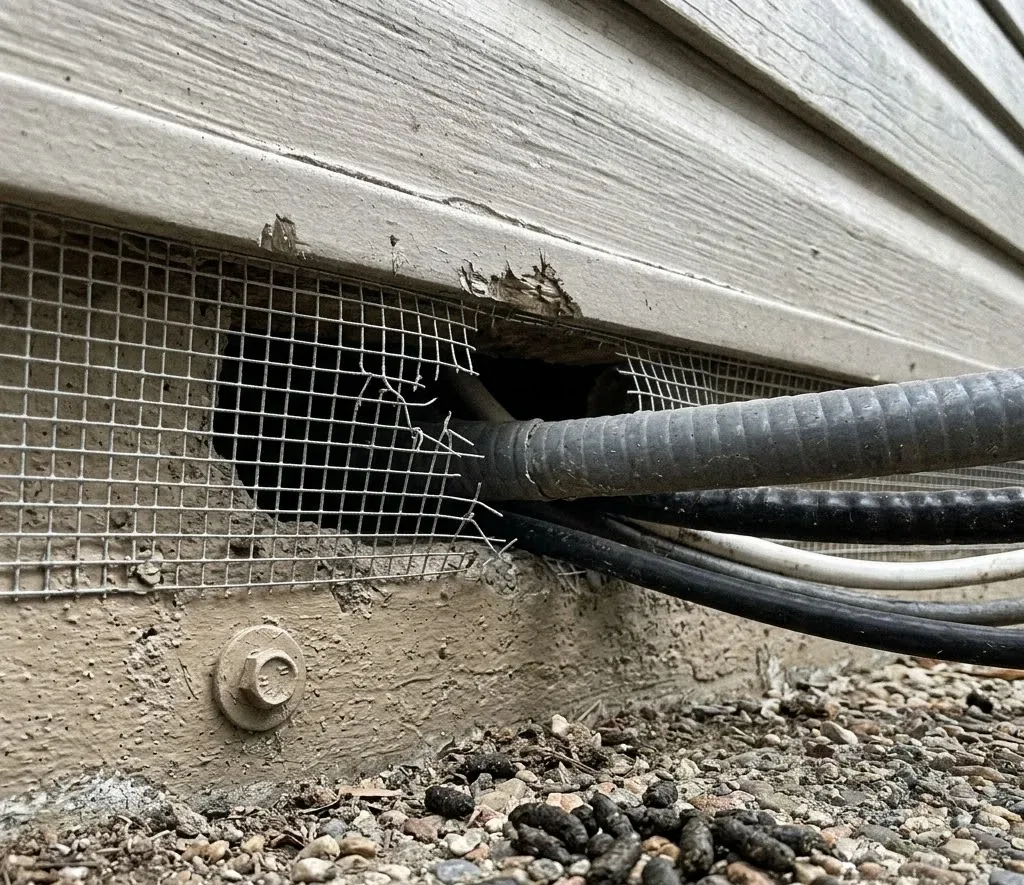
Trapping clears what's inside. Sealing the entry point stops the next one from moving in.
Learn about Rodent Exclusion
Bed bugs spread room to room and unit to unit. Confirmed treatment that reaches the harborage sprays miss.
Learn about Bed Bug Treatment
Documented pest control built for audits, health inspections, and facilities that can't afford a surprise.
Learn about Commercial Pest ControlRaising a home off the ground stops flooding, not pests. The open framing underneath, utility lines, and any storage area become entry points, and roof edges take more wind exposure than a typical mainland roofline near Clearwater. Ants, roaches, and rodents still find gaps at the sill, vents, or where pipes pass through.
Yes. Subterranean termites travel through soil and up support posts or piling foundations just as they would a slab, and drywood termites enter through the roof or exposed wood, so elevation doesn't remove the risk the way some homeowners assume.
Yes. Madeira Beach's rebuilt homes sit high on pilings or elevated slabs after flood-elevation upgrades, so roof rats and squirrels reach soffits and roof edges more than ground-level walls. Gaps around utility lines, vents, and where additions meet the original structure are the usual openings. An inspection of the elevated crawl area and roofline tells you what's actually open.
Yes. Fire ants build mounds in yard soil regardless of proximity to the water, and they're active year-round in this climate. They show up along foundation edges, in landscaping beds, and near any standing water left after rain.
Madeira Beach's barrier-island position means near-constant humidity and pockets of standing water after storms, which mosquitoes use fast. Check gutters, boat covers, and anything holding water in the yard after a downpour. Combined with dense condo and cottage spacing, breeding sites are close to living areas, so routine yard checks matter here.
Homes here sit on slab foundations, not basements, so the usual advice about sump pumps and below-grade rim joists misses the point entirely. Pests get in through soffits, weep holes, and gaps at the slab edge instead. That's the local entry story, from Island Estates to Countryside.
If you are near Harbor Oaks, Del Oro Groves or anywhere else inside this coverage area, a call settles whether the visit can happen and when. Clearwater properties near the water table often show different pressure than ones further from Old Tampa Bay, so location shapes what gets checked first. The look is free regardless of what turns up, and anything urgent after a heavy rain event usually gets bumped ahead of routine calls.
Call (727) 558-4422