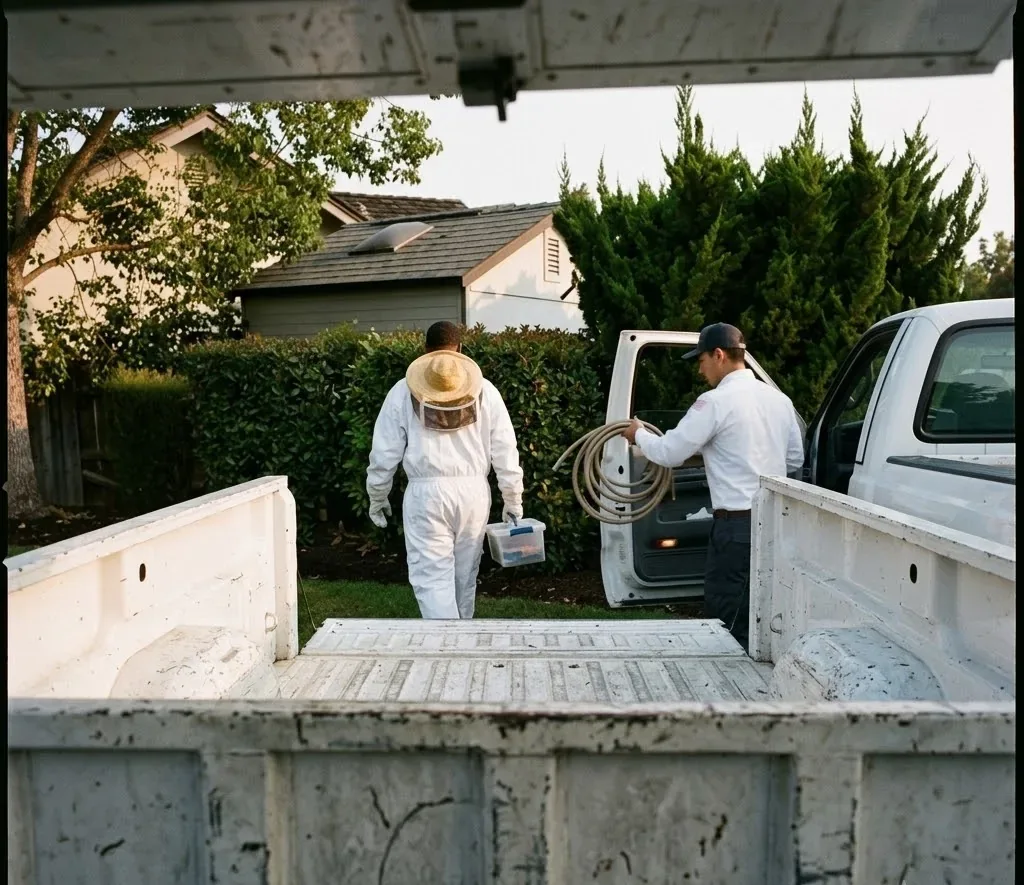
Mosquito & Tick Control
Barrier treatment for the standing water, wood lines, and shrub beds where mosquitoes and ticks actually live.
Learn about Mosquito & Tick ControlA Sand Key barrier island home means slab construction, roofline rodent entry, and drywood termite risk instead of foundation or basement issues.
Redington Shores sits on the barrier island strip of Sand Key, closer to the Gulf of Mexico than to any inland ground. Homes here are built up on slab foundations well above grade, a response to the same flooding and king tide pressure Clearwater deals with at Clearwater Beach and Island Estates. That elevation changes what shows up: ghost ants and fire ants moving through the sandy yard, mosquitoes breeding in anything holding standing water after a rainy season downpour, and roof rats working the attic and soffit lines instead of a foundation crack. Drywood termites are the bigger structural worry on an island like this, since the humidity never really lets up and there's no winter cold to slow anything down. An inspection here looks at the perimeter, the attic access points, and how water moves off the lot, not a basement that doesn't exist on this island.
Slab foundations, standing water after rain, and year-round warmth around Old Tampa Bay keep pests active in every season here.
What you mostly find in Redington Shores is 1950s-60s beach homes and condo buildings on a narrow barrier island. Tile and shingle roofs both give way at the ridge and the valley over time, and once a soffit return opens up, the attic becomes the easiest space in the house to get into.
Close to Gulf of Mexico, humidity stays high enough year-round that nothing really dies back. Cardboard in a garage, mulch banked against the wall and stacked pots all turn into harborage in those conditions, and clearing them is often half the job.
Island humidity and rainy season storms keep ants, mosquitoes, and drywood termites active in Redington Shores year-round, with no winter slowdown. Homes near Alligator Creek and Stevenson Creek see steadier moisture, which keeps pest activity from ever fully quieting down.
Storefronts and small commercial units near Redington Shores run on different standards: defined treatment zones, low-odor products where food is handled, and paperwork an inspector can read without it needing explaining.
What a treatment runs depends on your home's size, the pest, and whether Sand Key humidity or a Countryside slab is involved.
| Service | Estimated cost |
|---|---|
| Mosquito & Tick Control | an estimated $69–$139 |
| Rodent Exclusion | an estimated $189–$499 |
| Bed Bug Treatment | an estimated $299–$1100 |
Sand Key's barrier island setting means yards drain toward the Gulf, so standing water and ant activity follow every heavy rain.
The Belleair Causeway links this island to the mainland, but pest pressure here still runs local: salt air, sand, and humidity.
Indian Rocks Beach sits just up the shoreline, sharing the same roofline and attic entry issues roof rats create on barrier islands.
Barrier treatment for the standing water, wood lines, and shrub beds where mosquitoes and ticks actually live.
Learn about Mosquito & Tick Control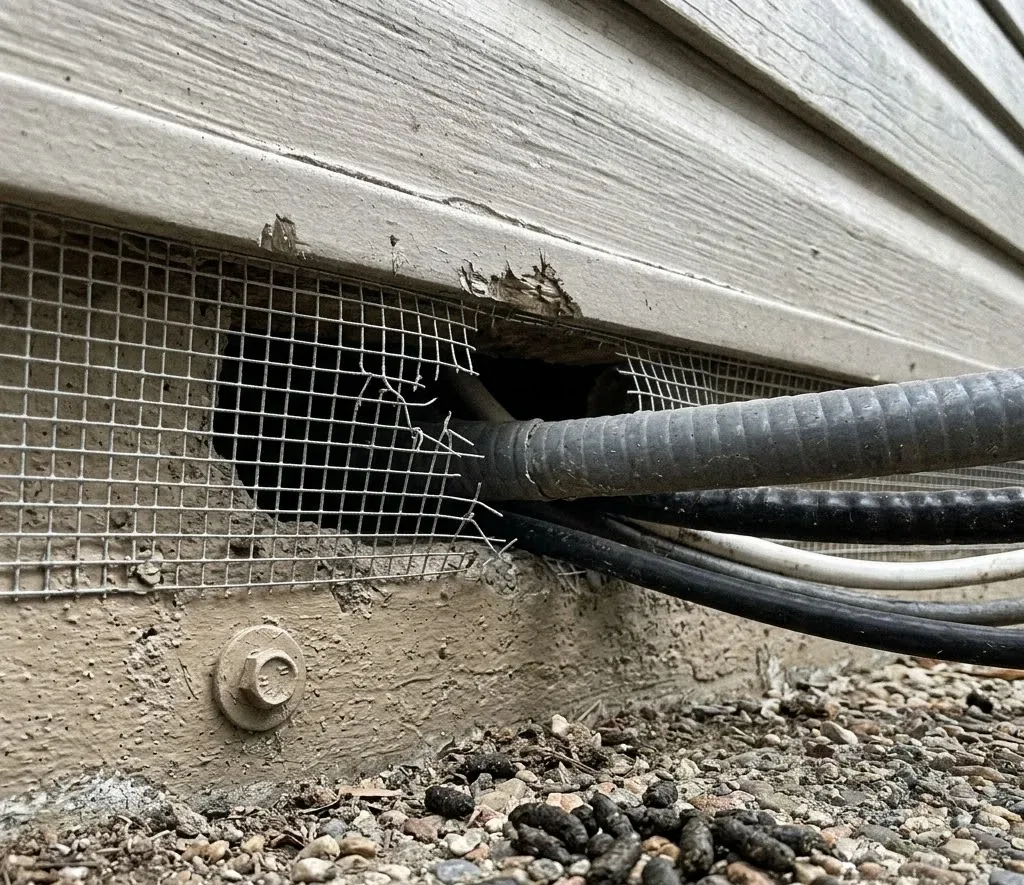
Trapping clears what's inside. Sealing the entry point stops the next one from moving in.
Learn about Rodent Exclusion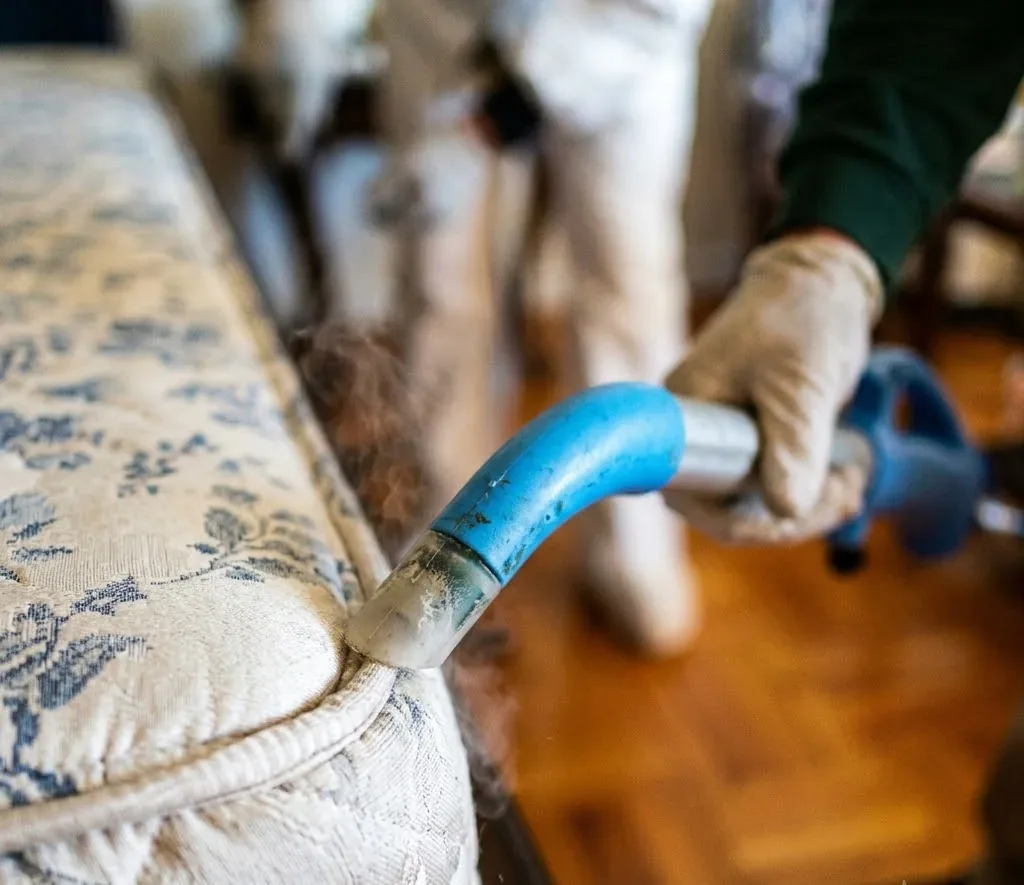
Bed bugs spread room to room and unit to unit. Confirmed treatment that reaches the harborage sprays miss.
Learn about Bed Bug Treatment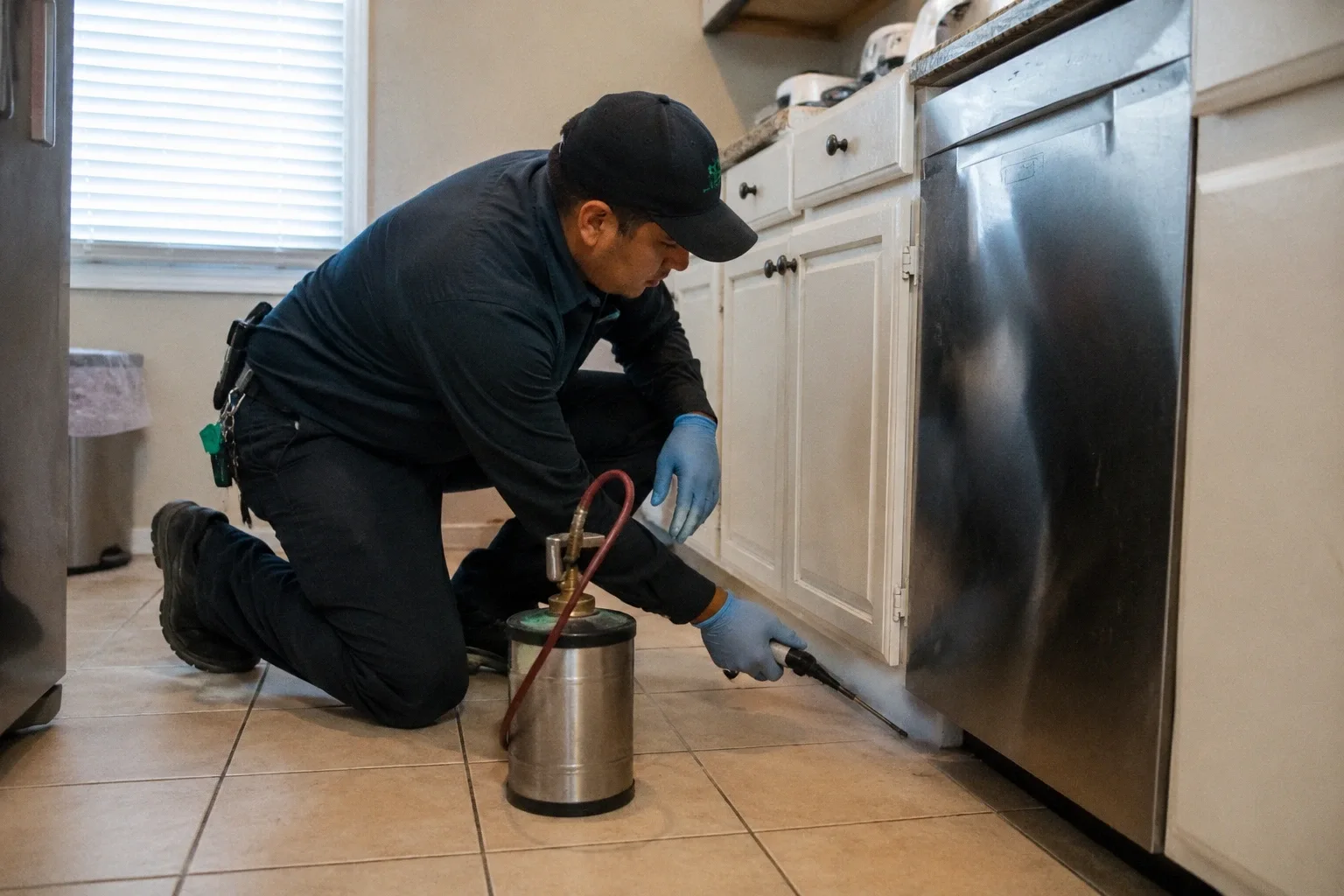
One plan for the ants, roaches, spiders and silverfish that never really leave a Clearwater house alone.
Learn about General Pest ControlGhost ants and fire ants are the two you'll notice most, moving across sandy yards and up through slab foundation gaps looking for moisture. Mosquitoes follow any standing water left after a rainy season storm. None of this is seasonal here the way it might be inland; the warmth keeps them active most of the year.
Roof rats are the concern, and they come in through the roofline, not the ground. They use overhanging branches, roof edges, and gaps around soffits to reach the attic. Sealing those entry points and trimming back anything touching the roof does more than bait alone on a barrier island home like this.
Drywood termites are the one to watch on Sand Key, since they don't need soil contact and can live inside dry wood indefinitely in this humidity. Subterranean termites are still possible near the slab edge. An inspection checks both the exterior perimeter and attic framing, since drywood colonies often start up high.
On Redington Shores, most homes sit close to the Gulf side on slab foundations, so treatment focuses on the exterior perimeter, doorways, and any utility gaps rather than indoor spraying. The licensed pros we connect you with can walk the yard first to spot moisture near the slab, then explain what dries fast and what needs a follow-up visit.
A recurring plan makes sense for a barrier island property like this, since ants, mosquitoes, and rodent pressure don't really stop for a season. Regular visits keep the exterior perimeter treated and catch new activity around the attic or yard before it becomes an infestation indoors.
Termite pressure comes mainly from Eastern subterranean and Formosan subterranean termites, plus West Indian drywood termites, all active regardless of season. A slab foundation doesn't stop them from finding a way up through expansion joints or door thresholds near Cleveland Street storefronts.
If you are near Harbor Oaks, Del Oro Groves or anywhere else inside this coverage area, a call settles whether the visit can happen and when. Clearwater properties near the water table often show different pressure than ones further from Old Tampa Bay, so location shapes what gets checked first. The look is free regardless of what turns up, and anything urgent after a heavy rain event usually gets bumped ahead of routine calls.
Call (727) 558-4422