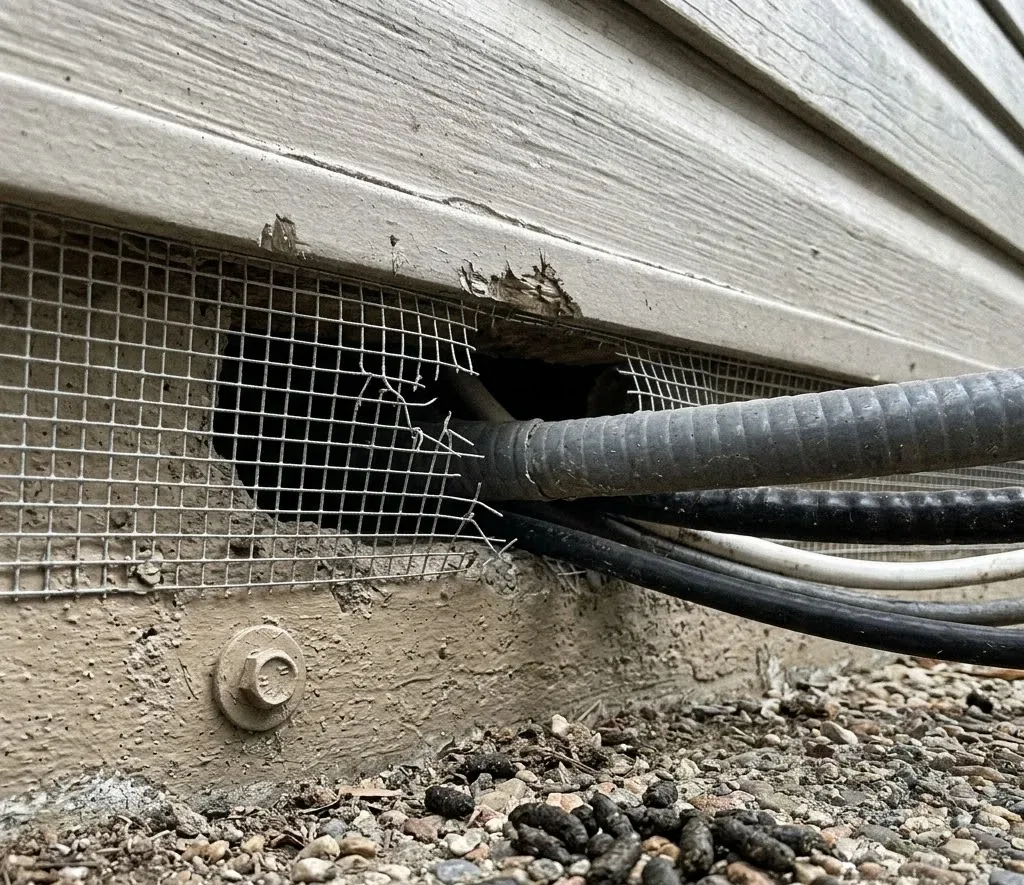
Rodent Exclusion
Trapping clears what's inside. Sealing the entry point stops the next one from moving in.
Learn about Rodent ExclusionInland from the beaches but built on the same sandy, high-water-table ground, Seminole sees steady termite and ant pressure at the slab.
Seminole sits inland from the barrier islands, between Largo and the Bay Pines area, away from the direct beachfront but still on the same slab-on-grade footing as the rest of Pinellas County. That slab, over sandy soil with a high water table, means moisture sits close to the surface after any heavy rain. Clearwater's pest pressure follows the same pattern here: subterranean termites working the soil against the foundation, ghost ants and fire ants finding gaps at the perimeter, and roof rats moving along fence lines and attic edges. Homes near Seminole's older, tree-lined streets tend to hold more shade and damp mulch beds, which keeps ants and roaches active close to the house. An inspection here looks at slab edges, weep holes, and soffit gaps first, since that is where Seminole's pest activity actually starts.
From Island Estates seawalls to Countryside yards, what draws pests in shifts block by block across Clearwater.
Most of Seminole is 1960s-80s single-family subdivisions with a redeveloped town-center retail core. On a slab house the trouble is never the middle of a wall — it is the seams: where the soffit meets the fascia, where a hose bib or dryer vent passes through block, where the weep holes sit at the slab edge. Those are the first things worth a look.
The ground around Lake Seminole holds water well after the rain stops. That is when the calls come — ants along a baseboard, roaches out of a floor drain, a musty smell in a closet on the wet side of the house.
Seminole sits inland of the barrier islands but still low and sandy, so rain lingers around slabs and yards long enough to draw ants and roaches toward the house. A one-time spray misses what's coming next month near Old Bay District; a standing schedule catches it before it's a problem.
Around Seminole there is a steady mix of tenanted and mixed-use property. Those jobs live or die on discretion and documentation — service outside trading hours, and a record of what was done and where.
What a treatment runs depends on your home's size, the pest, and whether Sand Key humidity or a Countryside slab is involved.
| Service | Estimated cost |
|---|---|
| Rodent Exclusion | an estimated $189–$499 |
| Yard & Lawn Pest Control | an estimated $79–$169 |
| General Pest Control | an estimated $99–$239 |
| Termite Inspection | an estimated $449–$1400 |
Seminole's mix of older and newer construction near Largo means entry points vary house to house, which is why an inspection matters more than guessing.
Largo, just north, shares Seminole's slab-on-grade construction and the same year-round termite and ant pressure.
US Highway 19 runs within reach of Seminole, keeping response times short for scheduled and follow-up visits.
Trapping clears what's inside. Sealing the entry point stops the next one from moving in.
Learn about Rodent Exclusion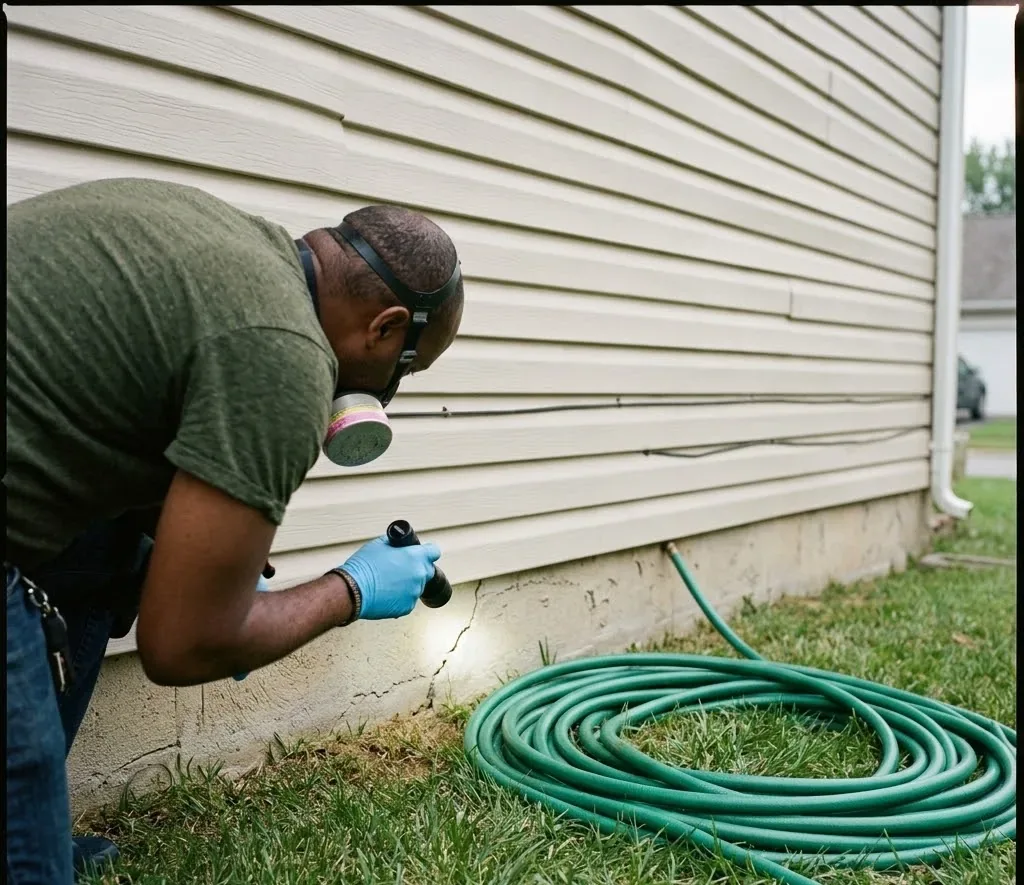
Fire ant mounds, grubs, fleas, and ticks in the yard, treated at the turf and stopped at the door.
Learn about Yard & Lawn Pest Control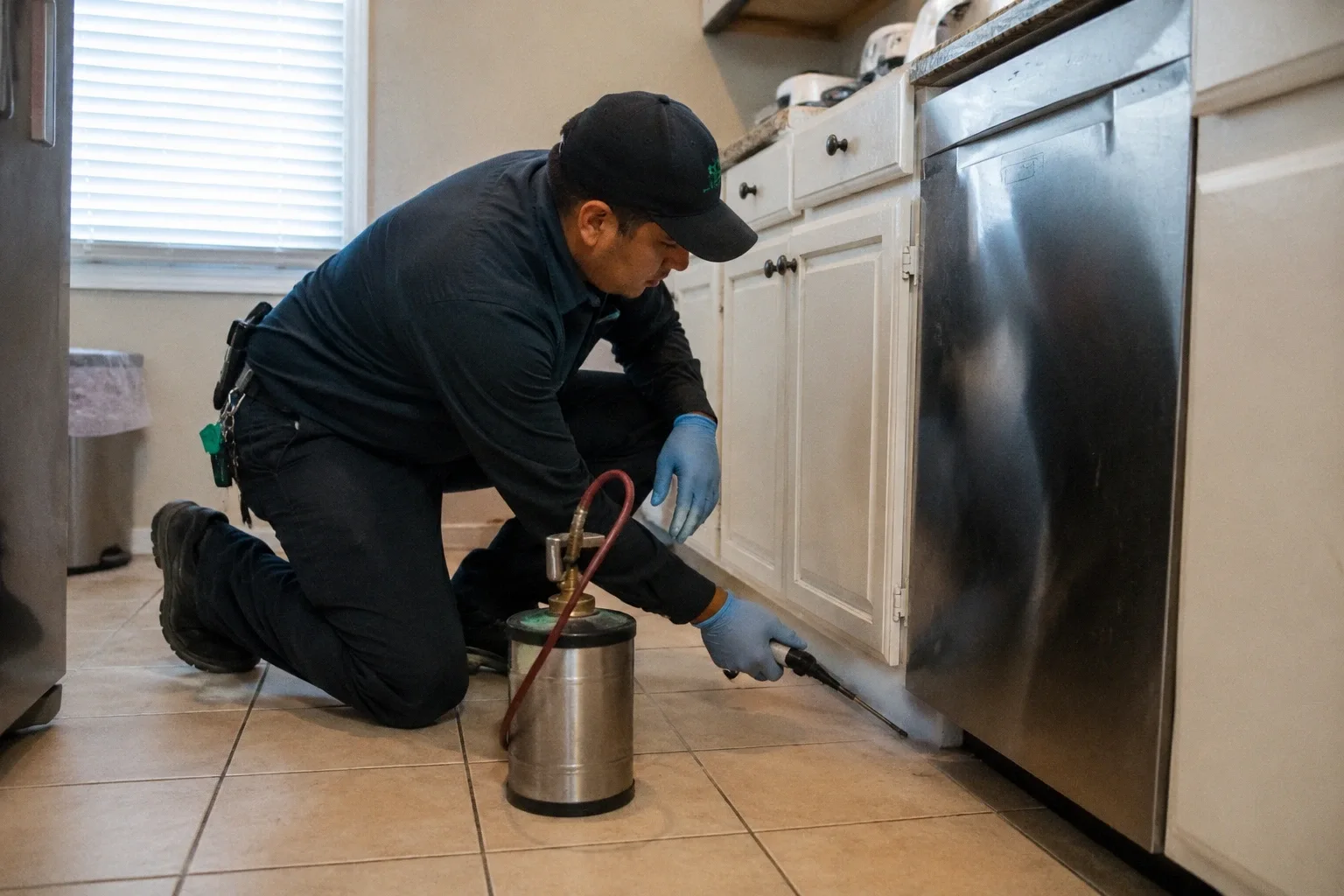
One plan for the ants, roaches, spiders and silverfish that never really leave a Clearwater house alone.
Learn about General Pest Control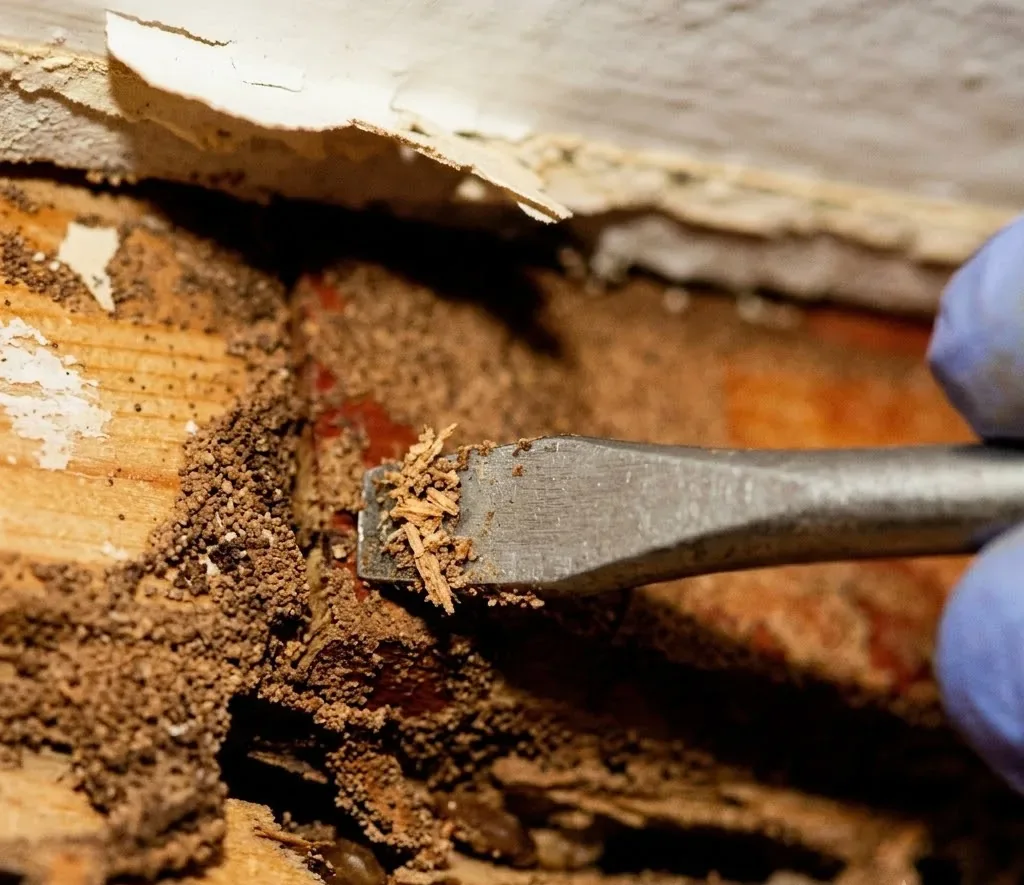
A close look at the foundation, sill plates, and attic for the mud tubes and wood damage subterranean termites leave behind.
Learn about Termite InspectionYes. Clearwater's mild winters never get cold enough to slow subterranean termites down, so they keep working the soil against your slab all year. Seminole's sandy, high-water-table ground holds moisture right where the foundation meets the yard, which is exactly the condition they need. Regular inspection catches activity before it reaches framing.
Ghost ants are drawn to moisture and sugar, and they can nest in wall voids or potted plants near the foundation, then trail inside through the smallest slab crack or door gap. Seminole's humidity keeps colonies active indoors and out. Sealing entry points at the perimeter and treating the nest, not just the trail, stops the return trips.
Overhanging branches and loose soffits give roof rats a direct path from the yard to the attic, and Seminole's mature trees put plenty of cover right against rooflines. Once inside, they nest in insulation and chew wiring. Closing the actual gap they used, not just trapping, is what keeps them from coming straight back.
It does. Seminole's yards drain slowly over the same sandy, high-water-table ground found across Clearwater, so puddles from rainy-season storms can sit for days. That is long enough for mosquitoes to complete a breeding cycle. Clearing gutters, tarps, and low spots in the yard cuts down the number of places they can start.
Seminole is a short run from the rest of Clearwater's service area, so same-day or next-day visits are typical. For ongoing coverage, a seasonal plan tracks termite, ant, and rodent activity through the wet months and includes follow-up visits if pests return between scheduled treatments.
Palmetto bugs don't wait for a season here. Between Island Estates and Countryside, homes on slab foundations give American cockroaches an easy path in through soffits and gaps near Belcher Road properties. Rainy season pushes them and standing water mosquitoes indoors early. The licensed pros we connect you with handle inspection and treatment without guessing at what's actually in your walls.
If you are near Harbor Oaks, Del Oro Groves or anywhere else inside this coverage area, a call settles whether the visit can happen and when. Clearwater properties near the water table often show different pressure than ones further from Old Tampa Bay, so location shapes what gets checked first. The look is free regardless of what turns up, and anything urgent after a heavy rain event usually gets bumped ahead of routine calls.
Call (727) 558-4422