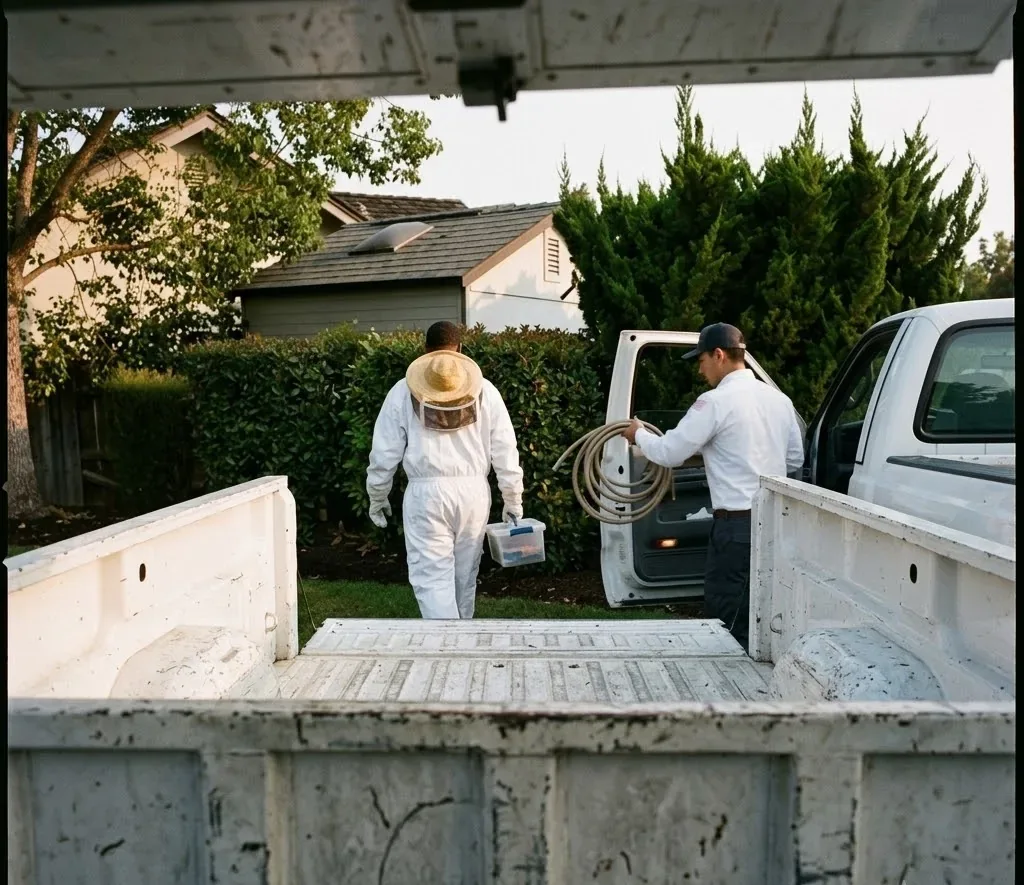
Mosquito & Tick Control
Barrier treatment for the standing water, wood lines, and shrub beds where mosquitoes and ticks actually live.
Learn about Mosquito & Tick ControlRiverfront homes from the 1920s sit near newer construction, so moisture and age both shape where pests get in.
New Port Richey sits along the Cotee River in Pasco County, north of Clearwater, with a mix of 1920s riverfront homes and mid-century construction from the 1960s onward. Like the Clearwater area, everything here is slab-built — no basements, no crawl space to check, just a foundation perimeter sitting close to sandy, wet ground. That combination of an old riverfront core and later infill means inspection turns up different problems block by block: older wood-frame homes near the river with settled slabs and gaps at the foundation line, newer construction with tighter seals but still exposed to the same moisture pressure off the water. Subterranean termites work the soil-to-slab contact everywhere in this part of Florida, and humidity from the river keeps ants and roaches active all year, not just in rainy season. A treatment plan that works on a 1920s riverfront lot usually needs adjusting for a 1960s yard three streets over — the age of the house changes where pests get in.
Slab foundations, standing water after rain, and year-round warmth around Old Tampa Bay keep pests active in every season here.
New Port Richey is mostly 1970s-90s subdivisions with an older 1940s-60s core near downtown, plus a large share of manufactured-home communities. Block walls move less than frame, but the joints and the stucco crack anyway, and a hairline gap at an expansion joint is a straight run from soil to wall cavity for ants and subterranean termites.
Being near Pithlachascotee River keeps the ground and the air damp for most of the year. Damp soil against a slab edge is what subterranean termites want, and damp framing in an attic is what drywood termites and roaches want, so moisture is treated as part of the pest problem here rather than a separate one.
Pests stay active year-round in this climate, with no hard freeze to slow anything down near the river or inland. Rainy season, June through September, pushes activity indoors around Countryside and Skycrest as yards hold standing water longer.
A fair share of the work around New Port Richey is not single-family. Shared walls let pests move between units, so treating one space on its own rarely holds and the building gets looked at as a whole.
What a treatment runs depends on your home's size, the pest, and whether Sand Key humidity or a Countryside slab is involved.
| Service | Estimated cost |
|---|---|
| Mosquito & Tick Control | an estimated $69–$139 |
| Rodent Exclusion | an estimated $189–$499 |
| Commercial Pest Control | an estimated $89–$249 |
| General Pest Control | an estimated $99–$239 |
The Cotee River runs through town, and homes closest to it face more slab-edge moisture than those set back from the water.
Older sections built near the river during the 1920s film-industry boom carry different entry-point risks than newer streets.
Mid-century construction from the 1960s sits between the oldest riverfront homes and the newest builds farther from the water.
Barrier treatment for the standing water, wood lines, and shrub beds where mosquitoes and ticks actually live.
Learn about Mosquito & Tick Control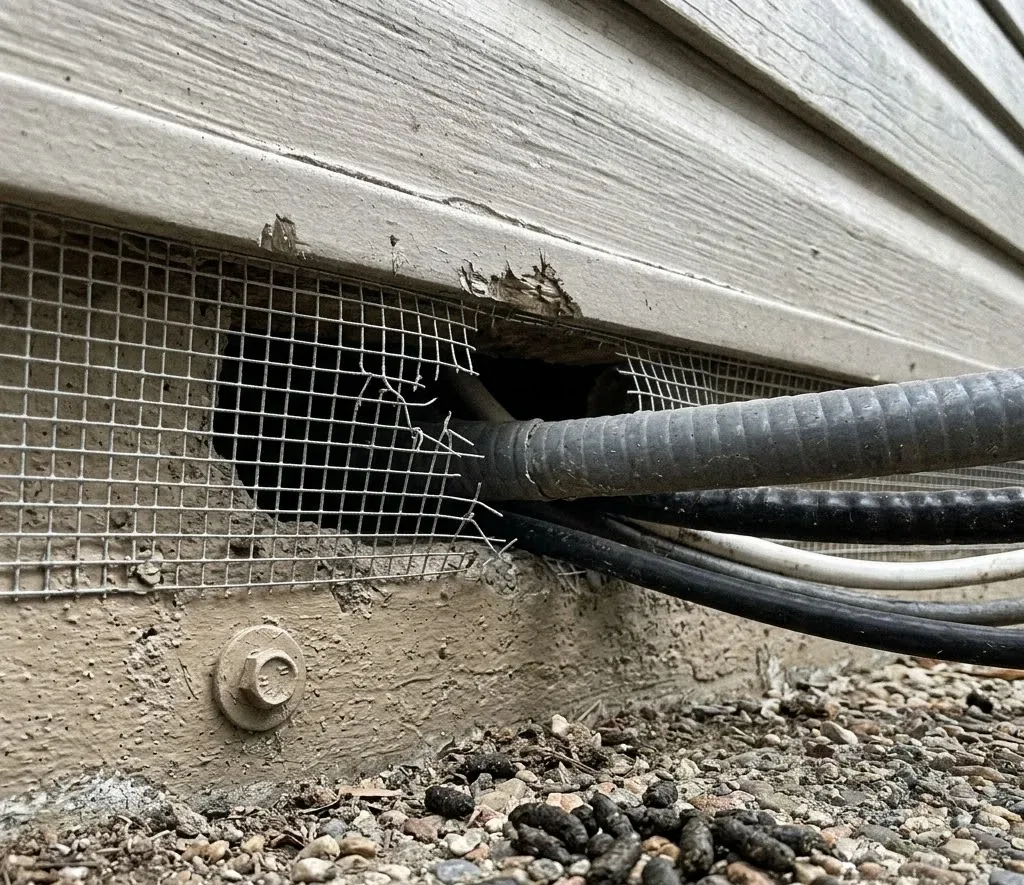
Trapping clears what's inside. Sealing the entry point stops the next one from moving in.
Learn about Rodent Exclusion
Documented pest control built for audits, health inspections, and facilities that can't afford a surprise.
Learn about Commercial Pest Control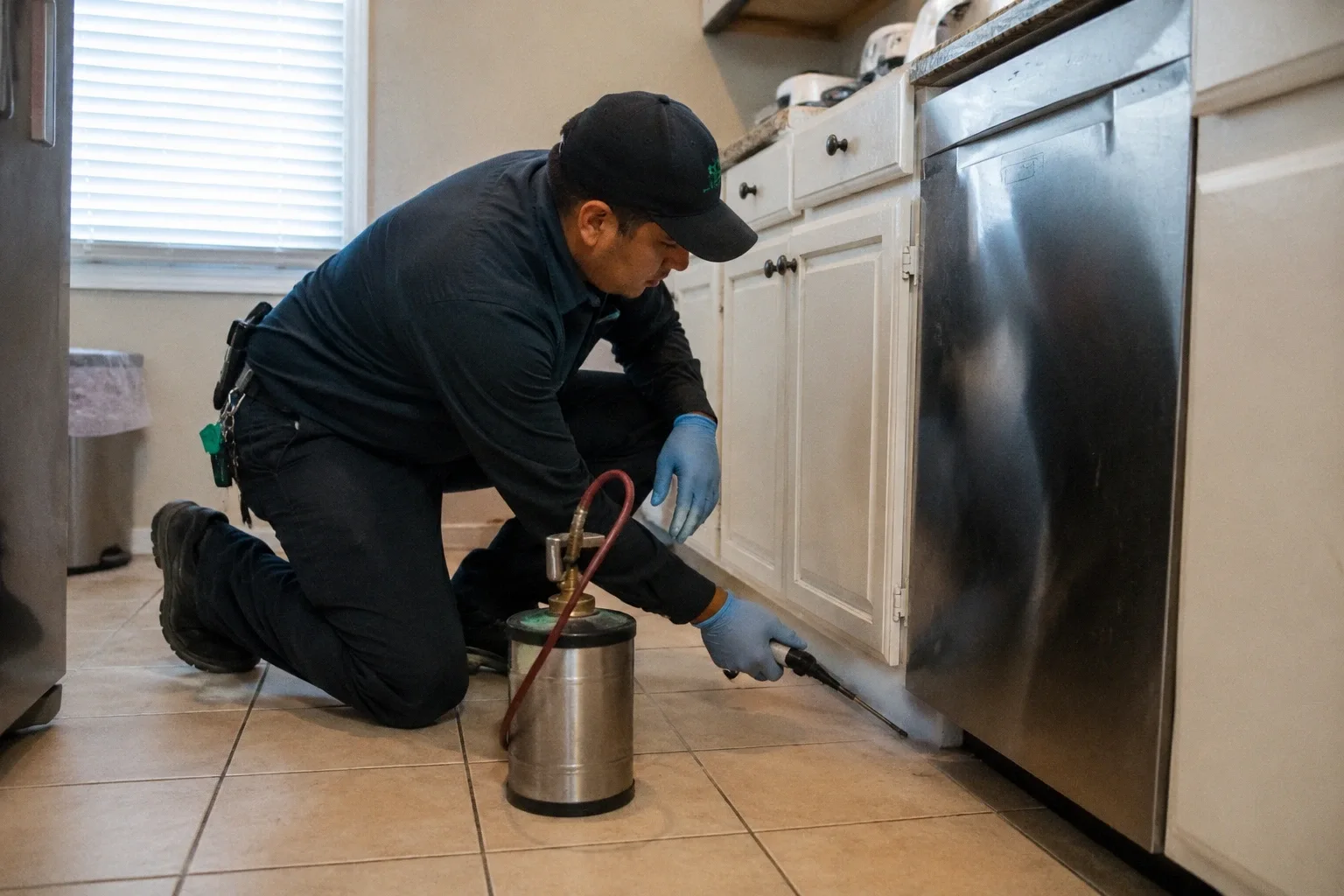
One plan for the ants, roaches, spiders and silverfish that never really leave a Clearwater house alone.
Learn about General Pest ControlCountryside · Dunedin · Safety Harbor · Largo · Belleair Beach · Palm Harbor · Crystal Beach · Oldsmar
Yes. Homes near the Cotee River sit closer to grade and see more moisture at the slab edge, which draws termites and ants looking for a way in. An inspection there should check foundation vents and any gaps where the slab meets siding.
The 1920s riverfront homes were built before modern pest-entry standards, so gaps around old plumbing penetrations and foundation vents are common. Newer construction from the 1960s on generally seals better, but neither era is immune to slab cracks letting pests in.
No basements here — New Port Richey homes are slab-on-grade, so pest entry happens at ground level: foundation cracks, utility penetrations, and gaps around doors and windows, not through below-grade openings.
It's common enough to be worth checking. Attics and soffits are the usual entry points, especially on older riverfront homes where roof lines and eaves have had decades to develop small gaps.
Termites stay active year-round in this climate, so there's no off-season. Older homes near the river and homes with slab cracks anywhere in town are the ones that benefit most from a regular inspection schedule.
Palmetto bugs don't wait for a season here. Between Island Estates and Countryside, homes on slab foundations give American cockroaches an easy path in through soffits and gaps near Belcher Road properties. Rainy season pushes them and standing water mosquitoes indoors early. The licensed pros we connect you with handle inspection and treatment without guessing at what's actually in your walls.
If you are near Harbor Oaks, Del Oro Groves or anywhere else inside this coverage area, a call settles whether the visit can happen and when. Clearwater properties near the water table often show different pressure than ones further from Old Tampa Bay, so location shapes what gets checked first. The look is free regardless of what turns up, and anything urgent after a heavy rain event usually gets bumped ahead of routine calls.
Call (727) 558-4422