The Clearwater Pest Year, Month by Month
What swarms, breeds, and moves indoors in Clearwater, month by month, and why nothing here truly goes dormant.
Clearwater doesn't have a true dormant season. Termites swarm heaviest March through June, mosquitoes peak with the June-September rain, and roof rats push into attics as fall nights cool from September into December. Ants and roaches stay active year-round but surge indoors when humidity spikes. There's no hard freeze here to reset the clock, so gaps in a roofline or a soffit stay a live entry point in every month.
What's active month by month here
Clearwater doesn't have a pest season so much as a pest rhythm that never fully stops. Winters stay mild enough that nothing here goes truly dormant the way it does further north. What looks like a quiet month is usually just slower breeding, not an absence. Reading the year by what's building toward a peak, rather than what's starting and stopping, gets closer to how pests actually behave on this coast.
The clearest split in Clearwater's year is wet against dry, not hot against cold. Rainy season, June through September, is when humidity and standing water drive the biggest jumps in mosquito and ant activity. Dry season, roughly November through April, slows outdoor breeding but pushes some pests indoors looking for moisture. Both halves matter, just for different reasons.
| Season | Active Pests | What To Do |
|---|---|---|
| Ghost ants, fire ants | Year-round, peak March-October | Trailing to kitchens, baseboards |
| Subterranean termites | Swarm season March-June | Winged swarmers near windows, lights |
| Mosquitoes | Worst June through September | Bred in standing water after rain |
| German, American roaches | Year-round, indoor push in humidity spikes | Kitchens, bathrooms, storm drains outside |
| Roof rats, squirrels | Fall push into attics, September-December | Soffit gaps, roofline, attic insulation |
| Drywood termites | Swarm season year-round, peak summer evenings | Attic framing, window and door trim |
| October–November | Roof rats seek attics as nights cool slightly | Trim palm fronds, seal roofline gaps near Skycrest and Countryside roofs |
| December–January | Slowest stretch, but nothing near Old Tampa Bay truly goes dormant | Check attic insulation and soffits before spring swarm season returns |
Why rainy season drives the whole Clearwater pest calendar
Spring, March through May, is when subterranean termite swarms show up after warm rain, often around dusk near Crest Lake Park or wooded edges in East Lake Woodlands. It's also when ghost ants and fire ants ramp up foraging as soil warms. A homeowner doing a spring walk-around should check foundation lines and mulch beds before the rains start building.
Summer, June through September, is Clearwater's busiest stretch for almost everything. Mosquitoes breed fast in standing water left by daily storms, and humidity keeps roaches and ants moving indoors more than outdoors. This is also drywood termite swarm season for many colonies. Rain that pools near Stevenson Creek or low yards close to Alligator Lake gives mosquitoes exactly the water they need.
Termite swarms follow warmth, not a fixed date on a chart
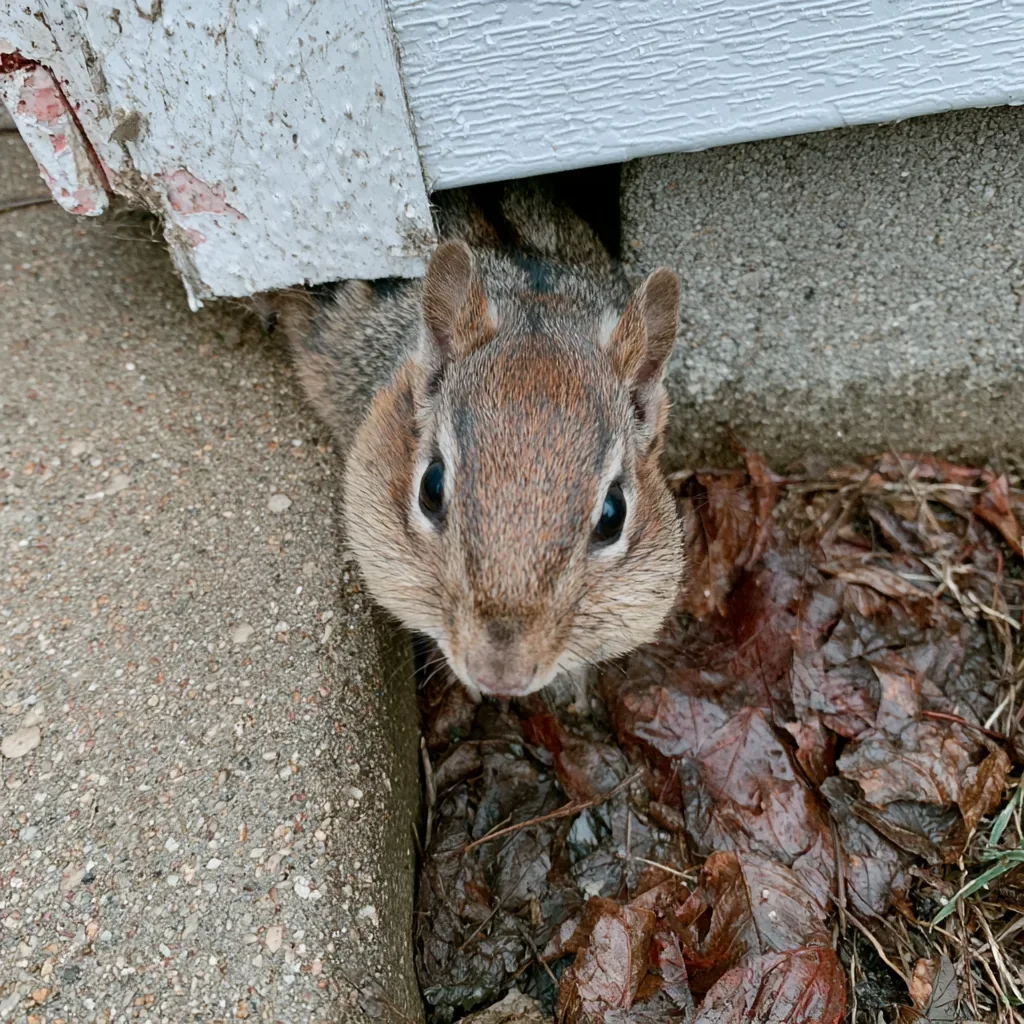
Fall, October and November, brings the rat and raccoon shift. As nights cool slightly and food outdoors gets scarcer, roof rats and raccoons start testing attics and soffits for a way in, a pattern that shows up consistently in older neighborhoods like North Greenwood and Clearwater Heights. Hurricane season overlaps this stretch too, and storm debris gives rodents extra cover close to homes.
Winter, December through February, is Clearwater's slowest stretch but not a dead one. Nights cool enough to slow insect breeding without ever forcing anything into true dormancy. This is a reasonable window for termite inspections and attic checks, since activity is lower and problems are easier to spot before spring swarms and summer rain bring everything back up.
Attics near the Gulf work harder than the rest of the house
King tides and storm surge complicate the calendar in ways inland towns never deal with. Flooding near Clearwater Harbor or low-lying stretches close to Old Tampa Bay can create standing water outside the usual rainy-season pattern, which means a mosquito spike can show up in an otherwise slow month. It's worth watching the water, not just the calendar, after any tidal flooding event.
Hurricane season, June through November, adds its own layer on top of the normal pattern. Storms like the ones that hit Clearwater Beach in recent years leave debris, downed branches and pooled water that give both mosquitoes and rodents new cover fast. Cleanup after a storm is pest prevention too, even when the storm itself wasn't the point.
When a monthly checklist stops being enough
A practical version of this calendar: watch for termite swarms in spring, expect mosquitoes to track the rain all summer, check attics and soffits before fall, and use the mild winter to inspect rather than assume you're in the clear. None of it lines up with a colder climate's pest calendar, and treating Clearwater like one leads to missed timing on the things that actually matter here.
Rainy season runs June through September in Clearwater, and that stretch is when ghost ants, fire ants and mosquitoes push activity hardest, breeding fast around any standing water left after a downpour near Crest Lake Park or the Alligator Creek watershed. Drywood and subterranean termite swarms tend to follow warm, humid air rather than a calendar date, so watch spring and early summer closest.
Frequently Asked Questions
Why are there flying termites in my window?
Ghost ants, palmetto bugs, and mosquitoes stay active year-round in Clearwater, since our winters rarely drop below the mid-40s. What changes is volume and behavior. Rainy season, June through September, pushes ants and roaches indoors chasing dry ground, while dry season slows breeding but never stops it. There is no true off-season here, just quieter stretches between peaks.
Do mosquitoes ever slow down here?
Subterranean termites swarm heaviest in spring after warm rain, but Clearwater's humidity keeps colonies feeding year-round underground. Drywood termites swarm later, often through summer into fall. A homeowner near Skycrest or Countryside won't see a dead season for termites the way northern states do. Inspect in spring, but don't assume winter is a safe pause.
When do rats move into attics?
Roof rats breed steadily but activity climbs in fall as cooler, drier nights send them looking for attic warmth and stored food. Around Morningside and Del Oro Groves, that shows up as scratching overhead starting October. Raccoons follow a similar pattern, denning up before winter. Sealing soffits and roof gaps before October beats dealing with a nesting animal in November.
Is there any month pests aren't a problem?
Mosquitoes peak with the rain, worst from June through the end of hurricane season in November, when standing water sits longer after storms. Around Alligator Creek and low areas near Old Tampa Bay, populations spike within days of heavy rainfall. Dry season cuts numbers but doesn't erase them, since irrigation and shaded gutters hold enough water to keep a few generations going.
Why do ants show up right after it rains?
German cockroaches breed indoors constantly, unaffected by season since they live off kitchen moisture and warmth. American and smokybrown roaches, the ones people call palmetto bugs, are more active outdoors from spring through fall and push inside during heavy rain or when yards dry out. Downtown Clearwater apartments and older Harbor Oaks homes both see indoor activity spike after summer storms.
Which month is your household actually in right now?
Rainy-season swarm or dry-season roach run, timing tells the pros we connect you with what to check first. Share which months you're seeing activity and where in Clearwater, from Island Estates to Countryside, and they'll plan the visit around it.
Call (727) 558-4422