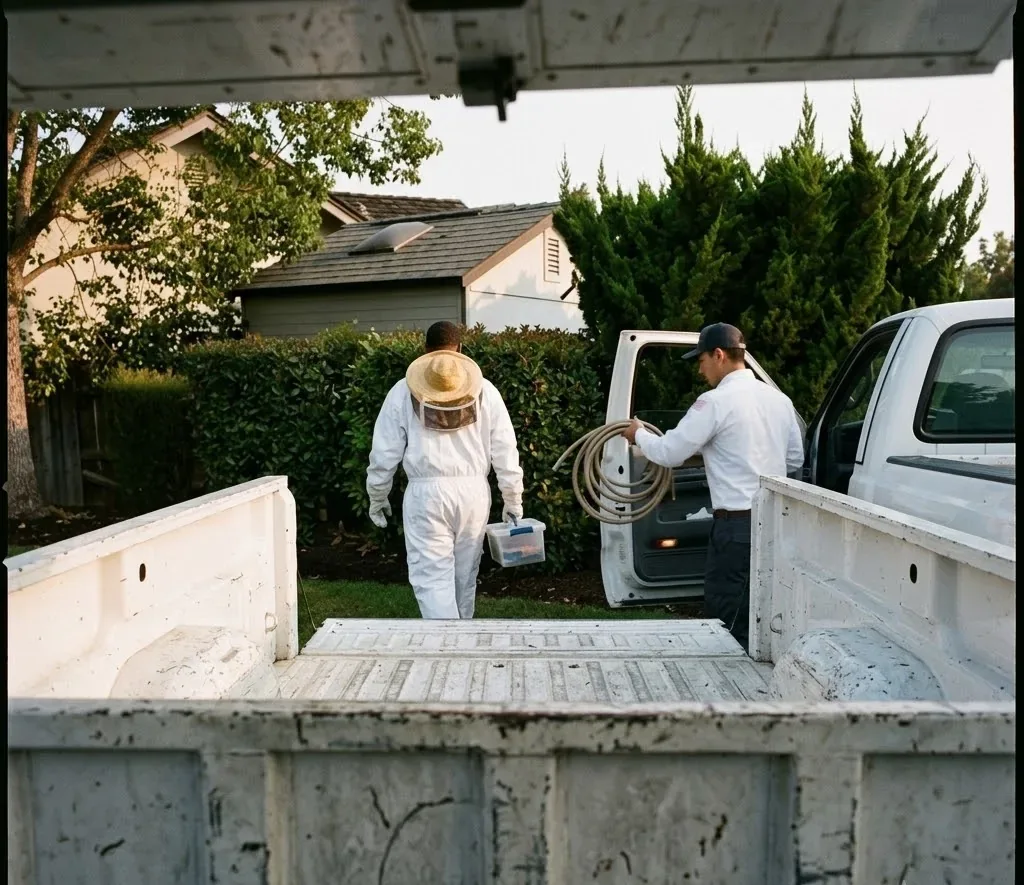
Mosquito & Tick Control
Barrier treatment for the standing water, wood lines, and shrub beds where mosquitoes and ticks actually live.
Learn about Mosquito & Tick ControlConcrete block homes built from 1958 to 1978 mean decades of settled expansion joints — the entry points pest pros check first here.
Town 'n' Country sits west of Tampa, but the pros connecting Clearwater homeowners to service also cover this unincorporated stretch, where LaMonte-Shimberg built roughly 8,000 concrete block homes on slab between 1958 and 1978. That's a lot of aging construction packed into two decades, and it shows in the pest calls: expansion joints and old weep holes give ghost ants and palmetto bugs a way in that newer Clearwater-area construction doesn't have as often. No basements here, same as Clearwater proper — everything is slab-on-grade, so moisture problems show up as damp baseboards and soft drywall rather than a wet basement floor. Sandy soil and a high water table make standing water linger after rain, which keeps mosquitoes breeding through the rainy season. Subterranean termites work the soil against these older slabs year-round, and an inspection of the perimeter and attic access points catches most of what's actually driving the calls.
Clearwater homes sit on slab foundations near Old Tampa Bay and the Gulf, where soffits, gutters, and standing water after rain give pests easy openings.
The building stock in Town 'n' Country runs to 1960s-80s suburban subdivisions and apartment complexes. Slab-on-grade means there is no crawl space to inspect from below, so the entry routes that matter are all at the roofline and the ground course — and both are easy to miss from inside the house.
Rainy-season storms sit on flat, older lots longer than on newer drainage designs, giving mosquitoes repeated breeding windows through summer and fall. King tides and heavy rain near Sand Key and Island Estates change what shows up at the door, not whether anything does.
Commercial work near Town 'n' Country usually starts at the loading side of the building. Deliveries bring pests in past every door seal there is, so a receiving check does more than another perimeter spray.
Slab homes near Clearwater Harbor, older Skycrest bungalows, and Sand Key condos each price differently based on access and pest pressure.
| Service | Estimated cost |
|---|---|
| Mosquito & Tick Control | an estimated $69–$139 |
| Rodent Exclusion | an estimated $189–$499 |
| General Pest Control | an estimated $99–$239 |
| Termite Inspection | an estimated $449–$1400 |
Countryside's 1970s-80s concrete block homes near US 19 face similar slab-perimeter and attic-entry pest issues.
Tampa sits east across Old Tampa Bay, reachable via the Courtney Campbell Causeway from the Clearwater side.
New Port Richey's older riverfront homes share the same slab-built, no-basement construction pattern.
Barrier treatment for the standing water, wood lines, and shrub beds where mosquitoes and ticks actually live.
Learn about Mosquito & Tick Control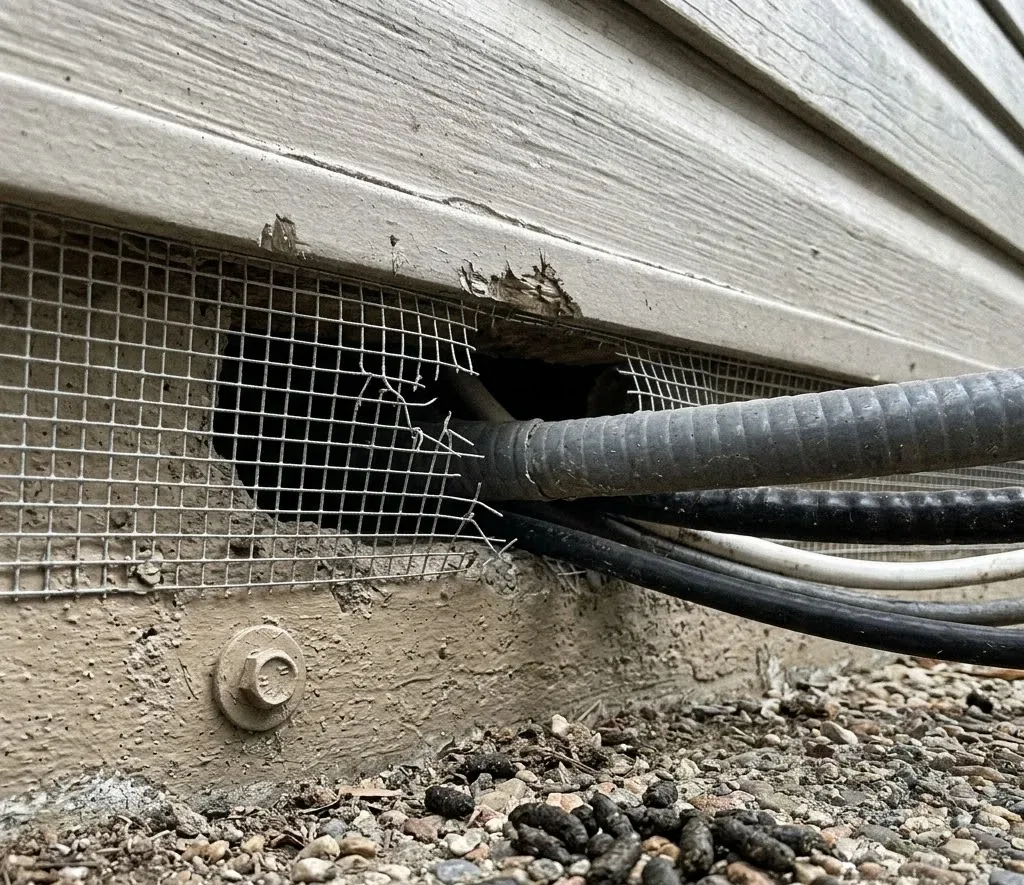
Trapping clears what's inside. Sealing the entry point stops the next one from moving in.
Learn about Rodent Exclusion
One plan for the ants, roaches, spiders and silverfish that never really leave a Clearwater house alone.
Learn about General Pest Control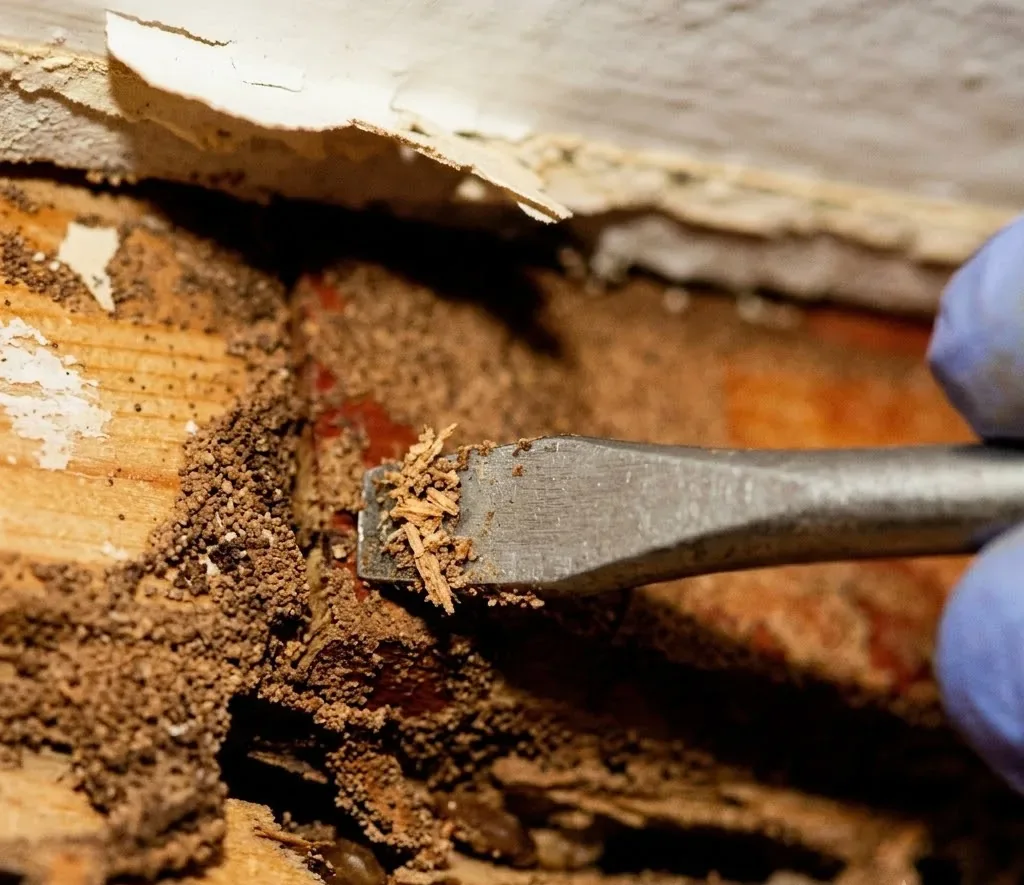
A close look at the foundation, sill plates, and attic for the mud tubes and wood damage subterranean termites leave behind.
Learn about Termite InspectionUsually gaps at the slab edge or where pipes and AC lines enter the wall. Older Town 'n' Country homes built in that 1958-1978 wave have settled a little over the decades, and small cracks or worn weatherstripping open up around doors and utility penetrations — that's what an inspection along the foundation perimeter is checking for.
Not really — subterranean termites don't eat the block, they travel through it via cracks and utility penetrations to reach wood framing, trim, and cabinets. Treatment targets the soil around the slab perimeter, not the block itself. An inspection can tell you if there's active feeding before it reaches structural wood.
Likely yes. Flat, older-subdivision lots don't always drain fast, and any low spot holding water through the rainy season gives mosquitoes what they need to complete a cycle. Emptying containers and treating spots that can't be drained lowers pressure noticeably within a couple weeks.
Squirrels and raccoons are the usual culprits, working loose soffit panels or gaps where the roofline meets the block wall on older homes. Once inside they tear insulation and leave droppings. Sealing the entry point after they're out is the part that actually stops it from happening again.
It can. Without a crawl space to check from below, the first sign is often warped flooring, tight-fitting doors, or mud tubes on the exterior slab edge. Regular inspection is the only way to catch subterranean termite activity before it reaches framing or trim.
Rainy season runs June through September, and standing water after a downpour brings mosquitoes fast, whether the water sits near Alligator Creek or in a clogged gutter off Belcher Road. Pests don't take a break for winter here. The pressure stays year-round.
If you are near Harbor Oaks, Del Oro Groves or anywhere else inside this coverage area, a call settles whether the visit can happen and when. Clearwater properties near the water table often show different pressure than ones further from Old Tampa Bay, so location shapes what gets checked first. The look is free regardless of what turns up, and anything urgent after a heavy rain event usually gets bumped ahead of routine calls.
Call (727) 558-4422