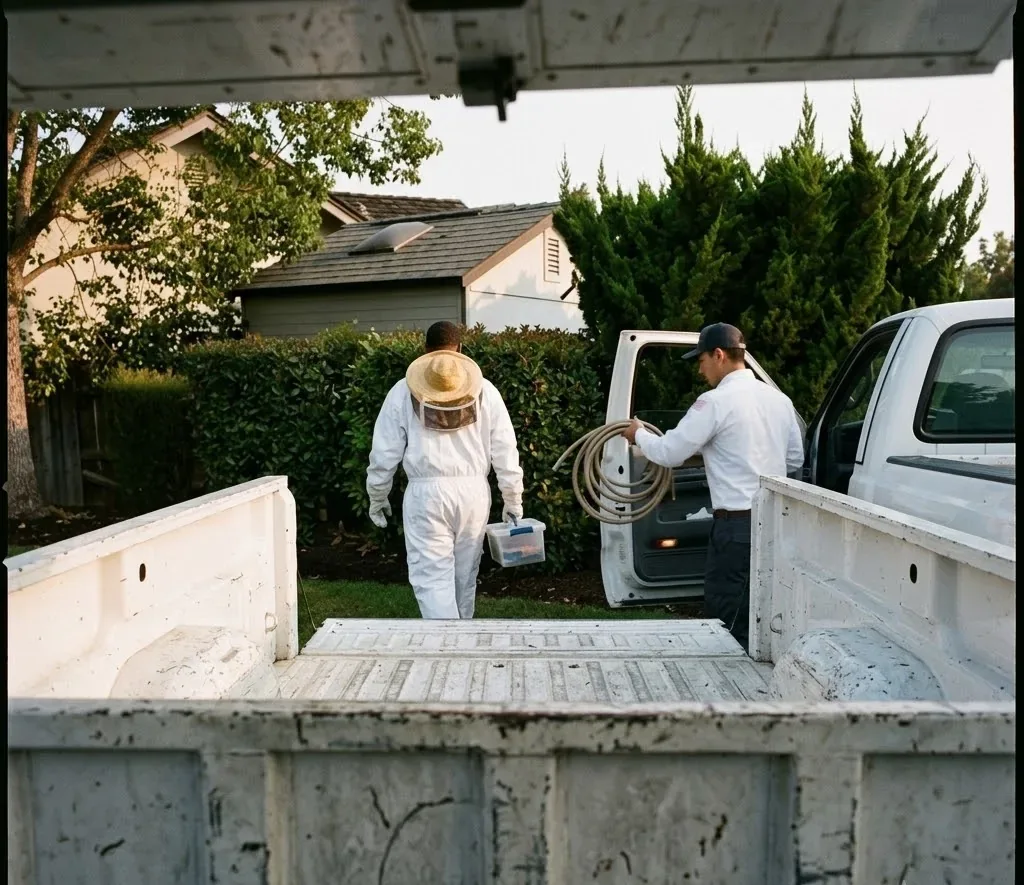
Mosquito & Tick Control
Barrier treatment for the standing water, wood lines, and shrub beds where mosquitoes and ticks actually live.
Learn about Mosquito & Tick ControlElevated, raised-slab homes on a narrow barrier island mean more framing gaps and yard moisture than inland Clearwater lots.
St. Pete Beach sits on the barrier island south of Sand Key, with the Gulf of Mexico on one side and the Intracoastal Waterway on the other. Homes here go on slab foundations, not basements — the sandy ground and high water table won't allow anything else. That same water table keeps yards damp after a rainy-season downpour, and standing water near the foundation draws mosquitoes fast. Salt air and moisture work on door seals and soffits year-round, opening gaps that ghost ants, palmetto bugs, and roof rats use to get inside. Termites don't slow down for winter this close to the Gulf; subterranean and drywood activity runs steady, so a perimeter inspection matters more than a one-time treatment. King tides and heavy storms push water toward slabs more often than people expect for an island this size. If you're dealing with pests in a St. Pete Beach home, the licensed pros we connect you with know how this ground behaves and where it lets pests in.
Slab foundations, humid air, and standing water after storms give pests near Sand Key and Old Bay District easy entry.
Housing in St. Pete Beach is largely 1920s-30s historic cottages in Pass-a-Grille, mid-century condos elsewhere on the island. Older air handlers in garage closets, original single-pane frames and tired door sweeps all leave gaps a roof rat can use, and none of them look like a pest problem until something is already inside.
Properties by Gulf of Mexico and Boca Ciega Bay drain slowly, and after a heavy rain the soil against the foundation stays wet far longer than it looks. Ants trail in along that damp line, and treating them without fixing the drainage just means treating them again next season.
Rainy season and king tides bring standing water fast on this low barrier island, and mild winters keep pests active all year. Rainy season packs Clearwater's activity into June through September, so treatments here follow that surge instead of one flat dose spread across twelve identical months.
Multi-unit buildings around St. Pete Beach are where a small problem becomes a building-wide one. Waste handling and shared utility chases are the usual pressure points, and a scheduled program around them beats reacting to a sighting.
Slab construction near Old Tampa Bay, humidity, and how close a home sits to standing water all shift what a treatment plan costs.
| Service | Estimated cost |
|---|---|
| Mosquito & Tick Control | an estimated $69–$139 |
| Rodent Exclusion | an estimated $189–$499 |
| Bed Bug Treatment | an estimated $299–$1100 |
| General Pest Control | an estimated $99–$239 |
The Gulf of Mexico borders the island's west side, shaping the sandy, low ground pests and moisture move through.
The Intracoastal Waterway separates the island from the mainland, keeping humidity and standing-water conditions high nearby.
Clearwater sits north across Boca Ciega Bay's barrier-island chain, sharing the same coastal soil and pest pressure.
Barrier treatment for the standing water, wood lines, and shrub beds where mosquitoes and ticks actually live.
Learn about Mosquito & Tick Control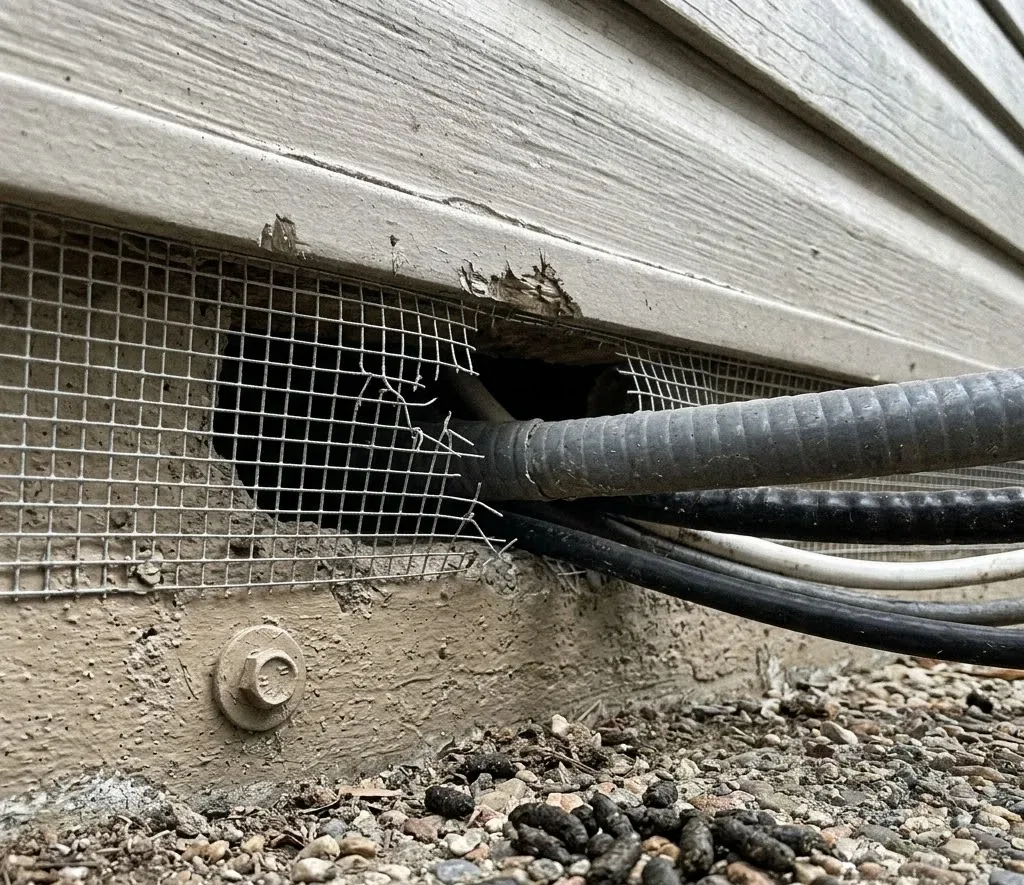
Trapping clears what's inside. Sealing the entry point stops the next one from moving in.
Learn about Rodent Exclusion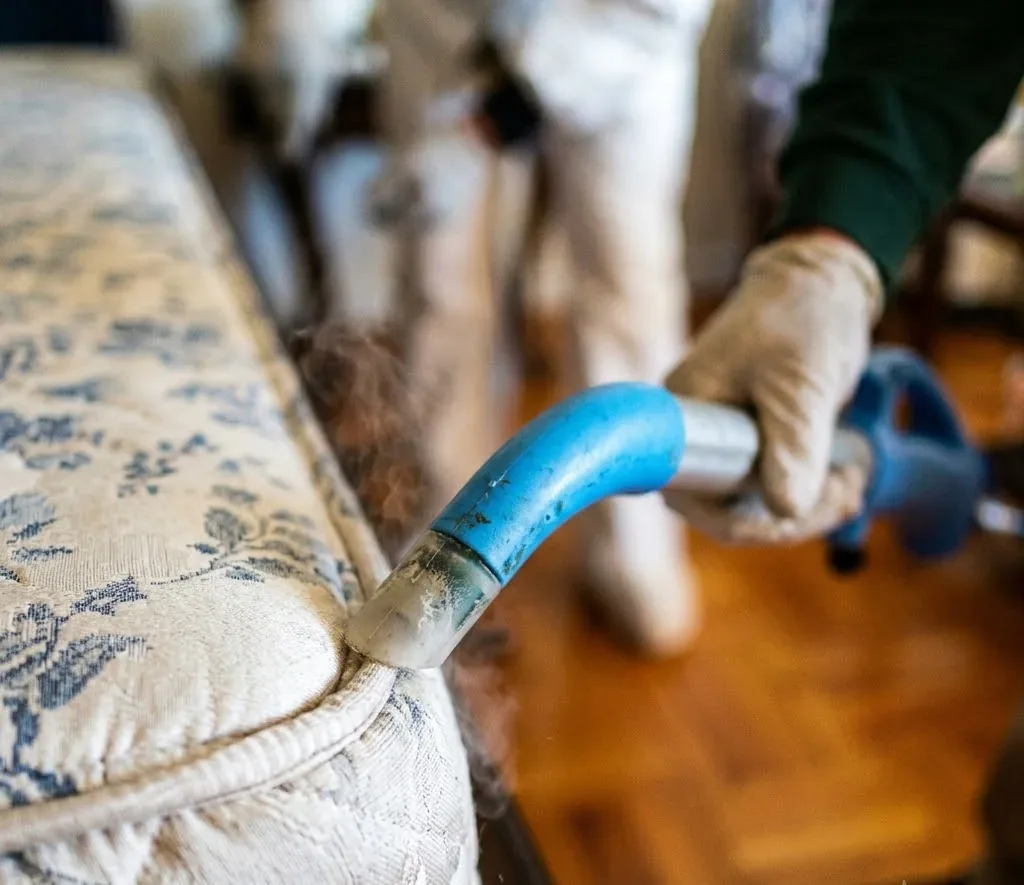
Bed bugs spread room to room and unit to unit. Confirmed treatment that reaches the harborage sprays miss.
Learn about Bed Bug Treatment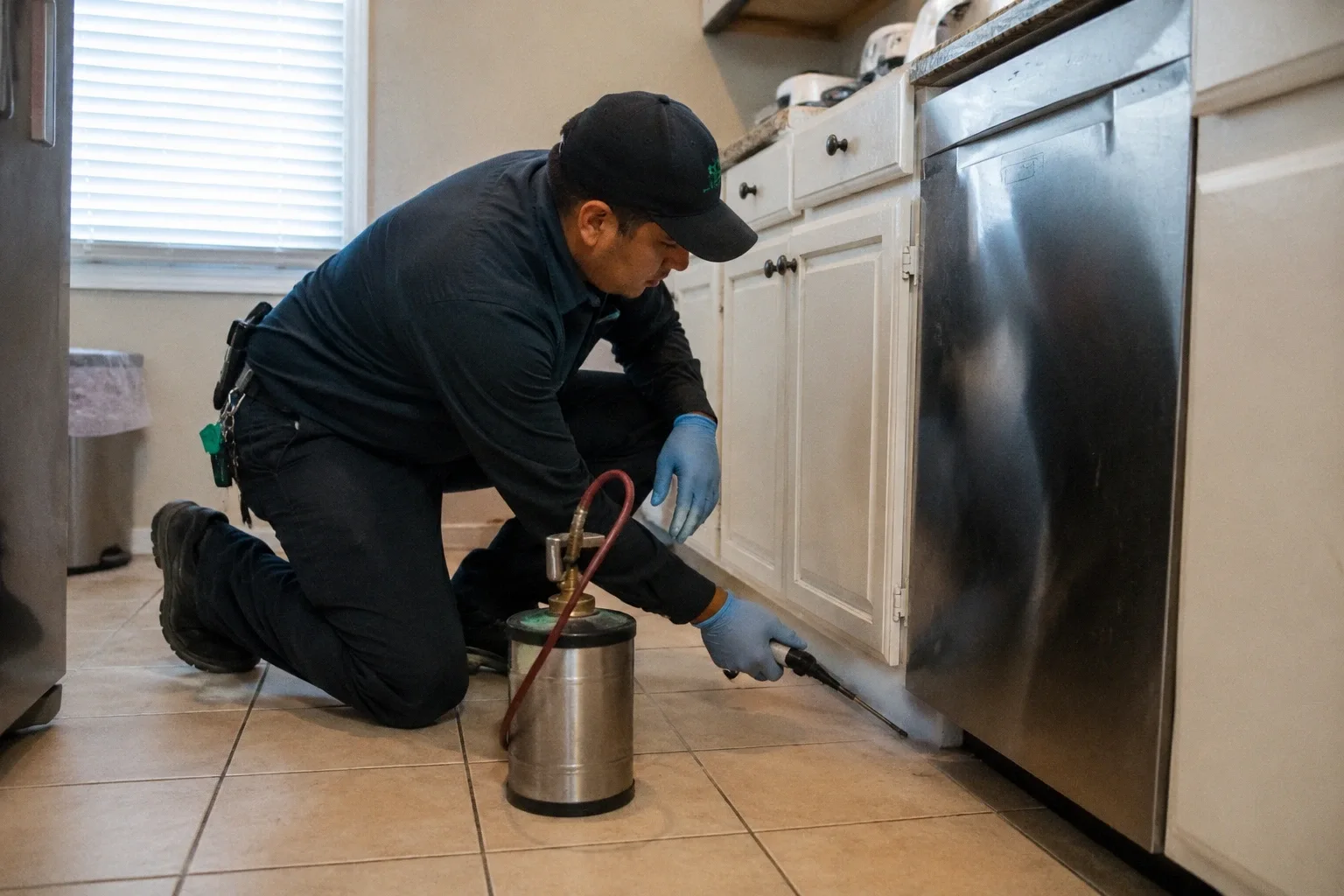
One plan for the ants, roaches, spiders and silverfish that never really leave a Clearwater house alone.
Learn about General Pest ControlYes. The sandy, low-lying ground here holds moisture near the foundation, and elevated or raised-slab construction creates gaps that subterranean and drywood termites both use. A licensed pro can check framing and perimeter soil for activity.
Ghost ants and other species nest in loose, moist soil near sprinklers, planters, and landscaping. Rain events push colonies toward drier ground, which is often the base of a home. Sealing gaps at the perimeter and clearing damp mulch beds helps, but an established colony usually needs direct treatment to stop the cycle.
Ghost ants and fire ants are both common in yards and around foundations here. Palmetto bugs (American cockroach) also show up along the perimeter, especially after rain pushes them out of yard debris and toward structures.
Elevated construction and raised slabs mean more exposed framing and soffit gaps than a typical inland foundation. That gives pests, including ants and roaches, more entry points to check during an inspection.
Year-round. The barrier island's mild winters don't slow pest activity the way a hard freeze would elsewhere, so termite, ant, and mosquito pressure stays fairly constant across the seasons.
Rainy season runs June through September, and standing water after a downpour brings mosquitoes fast, whether the water sits near Alligator Creek or in a clogged gutter off Belcher Road. Pests don't take a break for winter here. The pressure stays year-round.
If you are near Harbor Oaks, Del Oro Groves or anywhere else inside this coverage area, a call settles whether the visit can happen and when. Clearwater properties near the water table often show different pressure than ones further from Old Tampa Bay, so location shapes what gets checked first. The look is free regardless of what turns up, and anything urgent after a heavy rain event usually gets bumped ahead of routine calls.
Call (727) 558-4422